There is a particularity about designing for wellness spaces. The meticulous calibration where clean lines do not feel cold, where refined materials carry warmth, and where a room seems to breathe.
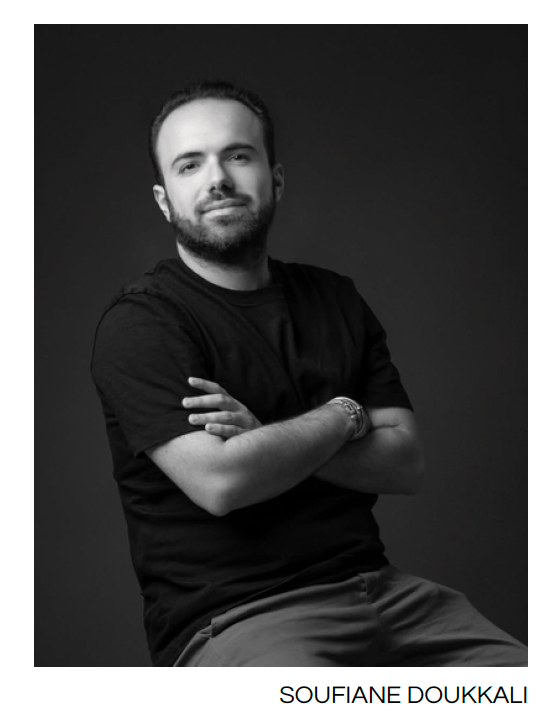
It is the hallmark of Studio SD, the practice founded by Soufiane Doukkali in 2019, whose work moves fluidly between Morocco and Europe, between private residences and a growing portfolio of wellness spaces that have quietly become some of the most talked-about interiors in Paris. These projects reflect what Doukkali does best: crafting cohesive environments that hold a distinct sense of place, and that make you feel an emotion.
His influences are, perhaps, unexpected. They range from nineteen-eighties Hollywood cinema, the aesthetics of Miami Vice, to automotive design. It is precisely this cinematic, emotionally driven sensibility to light and matter and a deep respect for Parisian proportion that gives his wellness projects their particular charge.
We sat down with Soufiane to talk about designing for the body as much as the eye, why architecture today must also speak to the screen, and what it really means to make a space feel alive.
You have a foot in both Rabat and Paris. How do your Moroccan roots and your international lifestyle play off each other in your design language?
Morocco gave me a sense of material, light and the emotion of spaces. France, with its architectural history, taught me a great deal about precision and proportion. Between Rabat and Paris, I try to blend these two influences, constantly drawing inspiration from what I see in both countries to create an architecture that is contemporary, warm and timeless.
You have designed several high-end wellness projects such as Silo and Osmo in Paris. How is designing for wellness different from your residential or commercial projects?
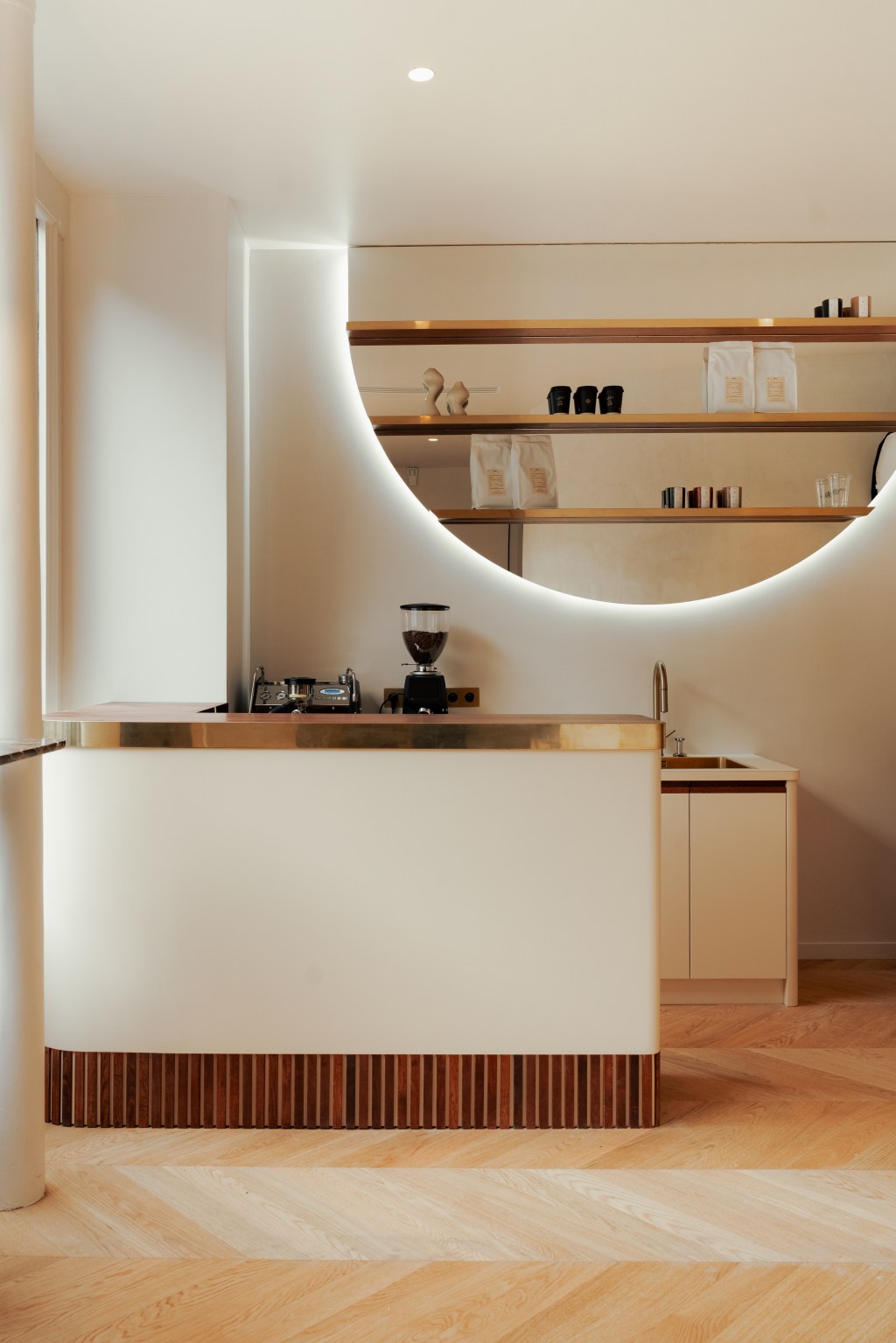
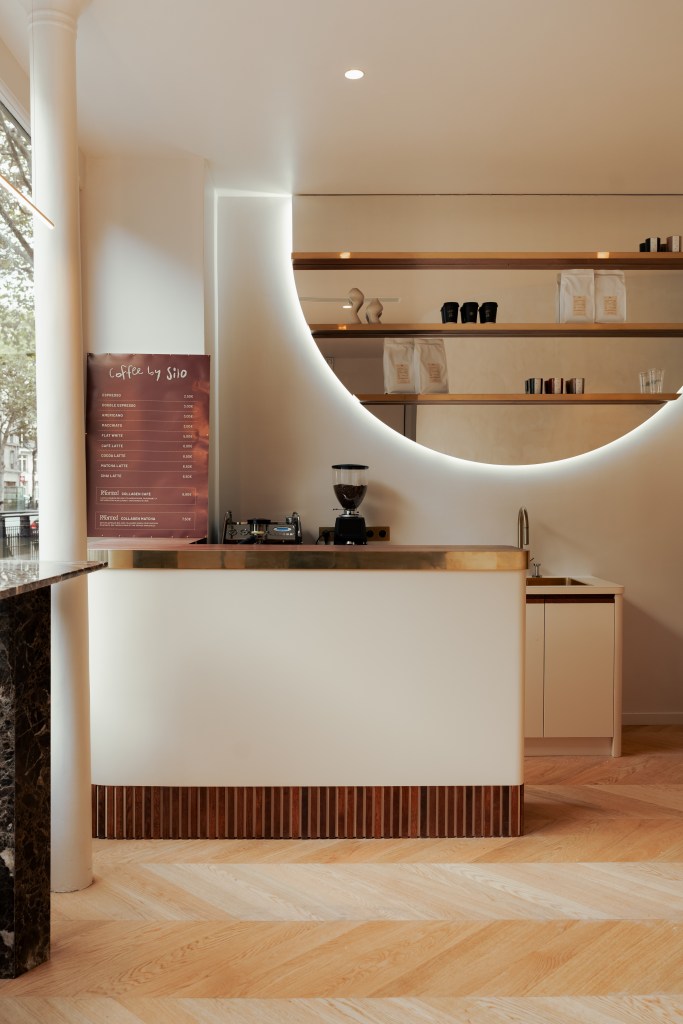
Ultimately, the approach remains fairly similar, because I always try to create a unique experience through space. Whether for a wellness, residential or commercial project, I am first and foremost looking to provoke an emotion. With projects like Silo Paris or Osmo Paris, I also try to create spaces that immediately capture the eye. Today, for a commercial space, it is important to design something that is architecturally beautiful, but also a place that makes people want to photograph it, share it, and that naturally draws people in. Social media is now an integral part of the experience of a place, and I find it interesting to think about architecture through that dimension as well.
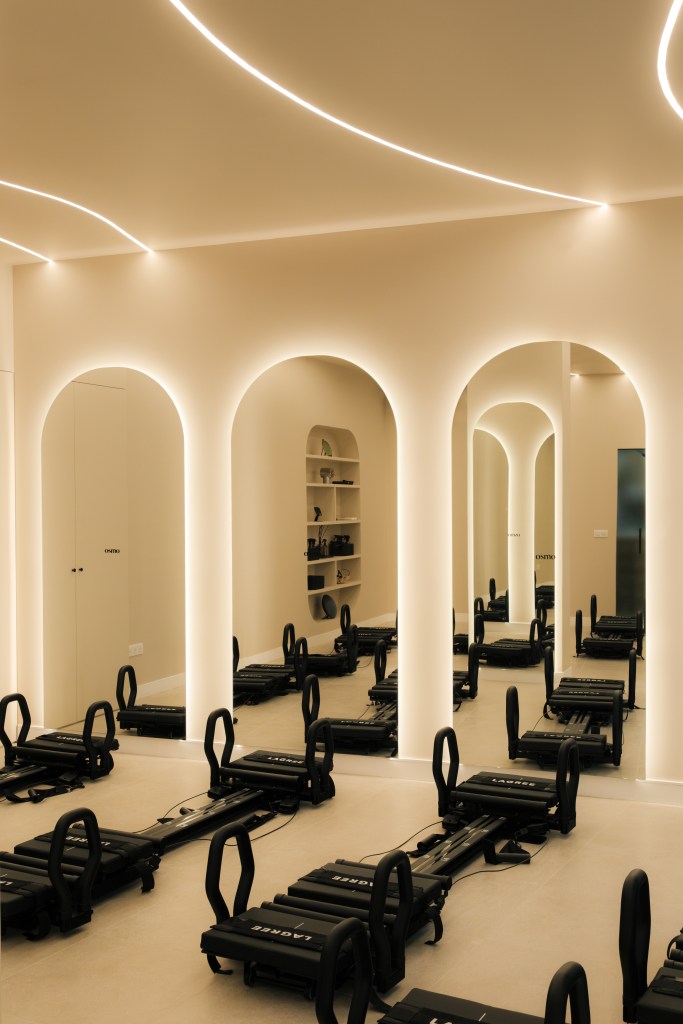
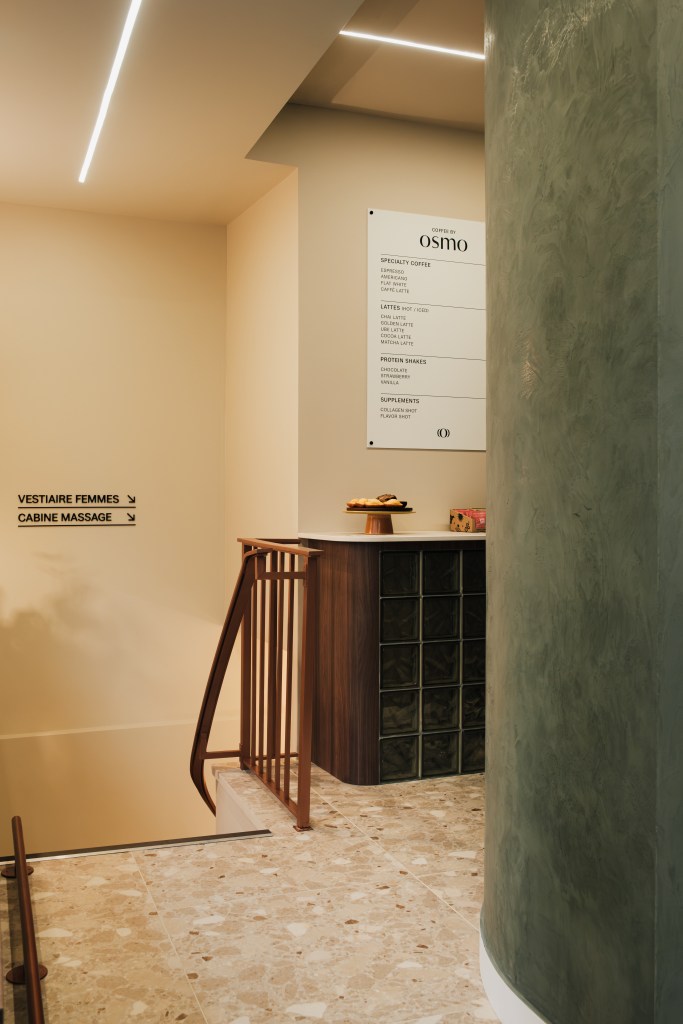
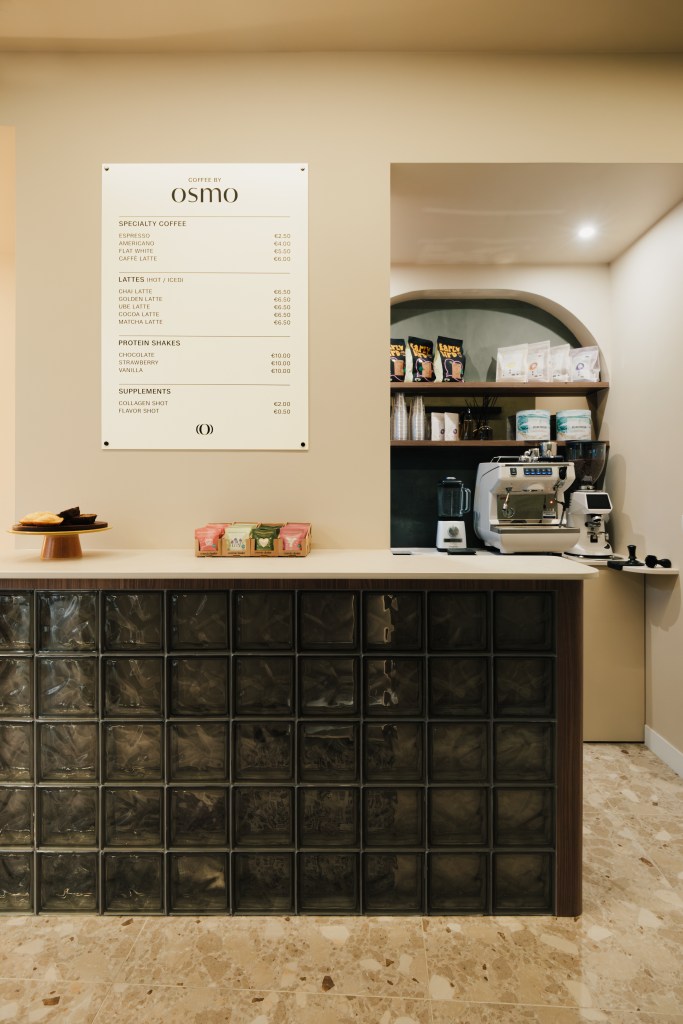
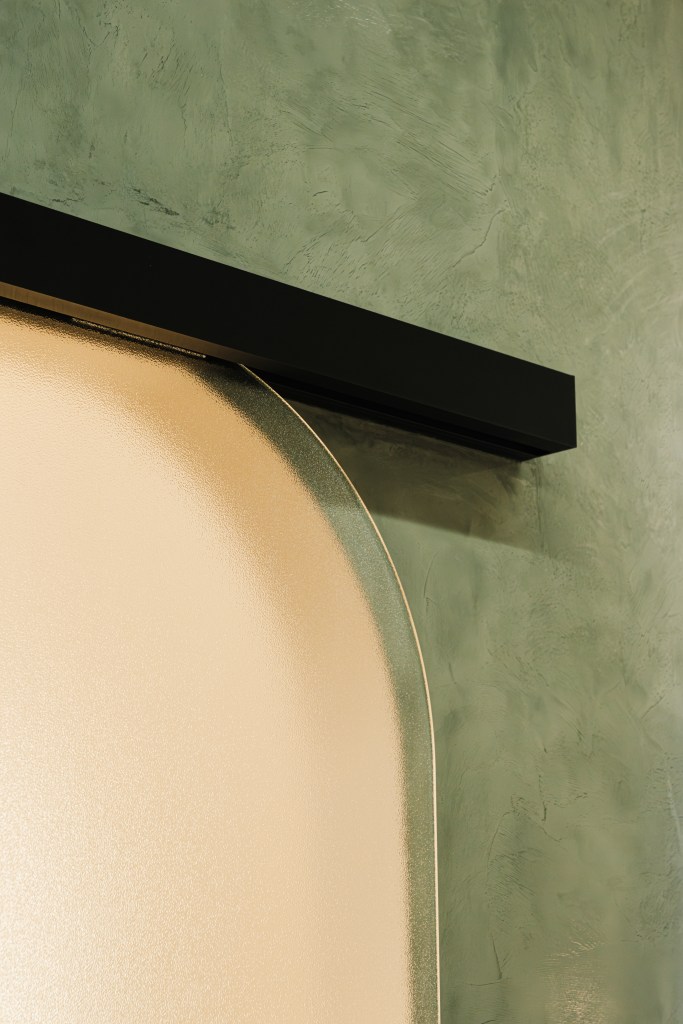
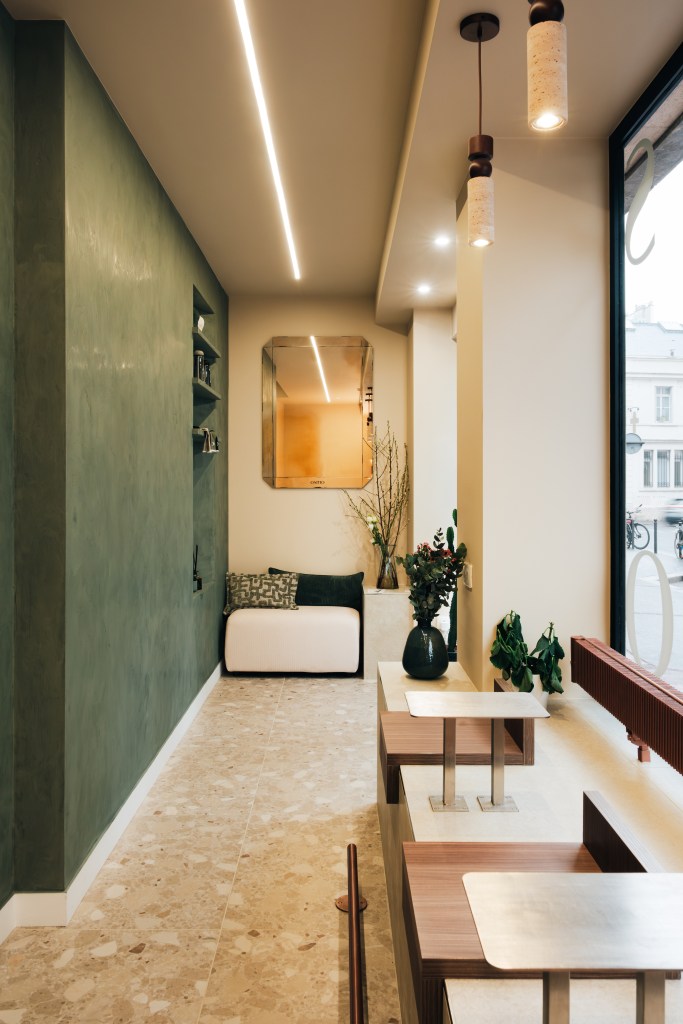
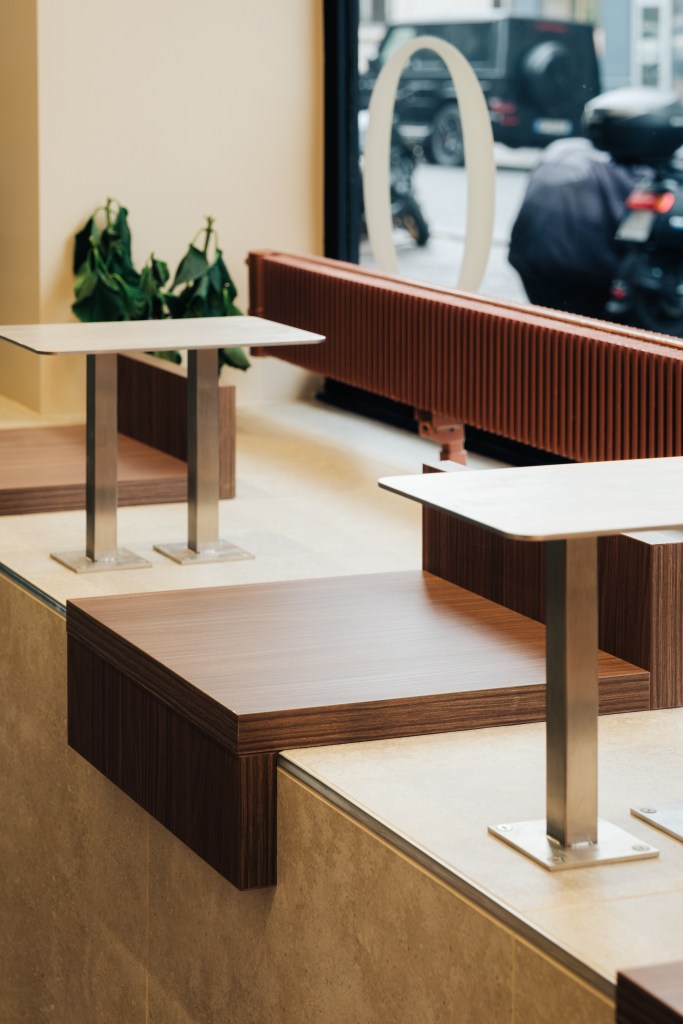
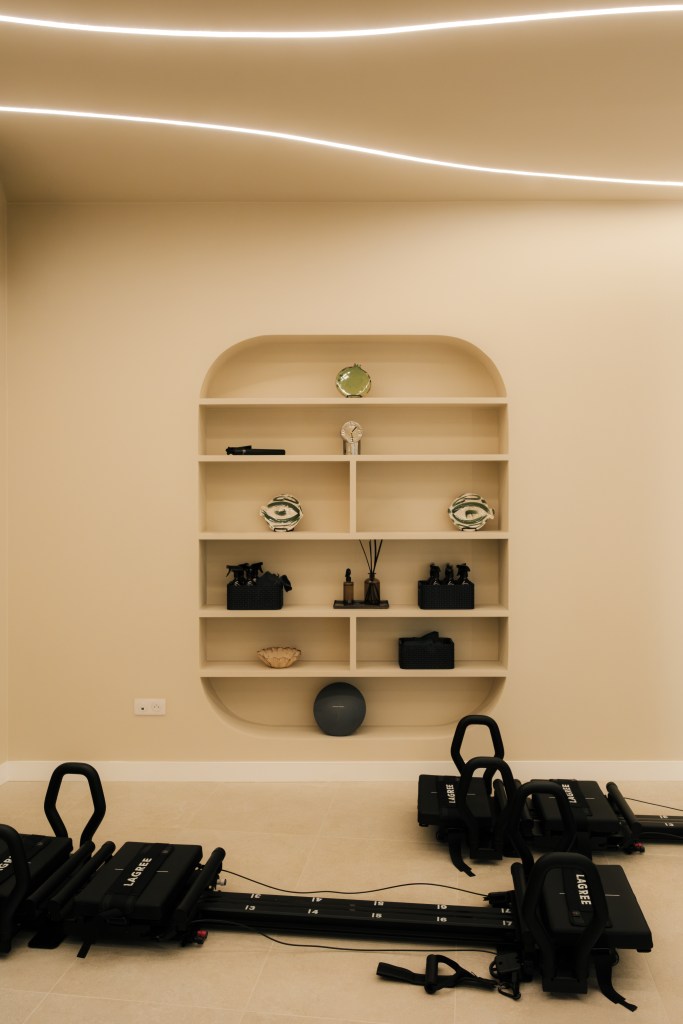
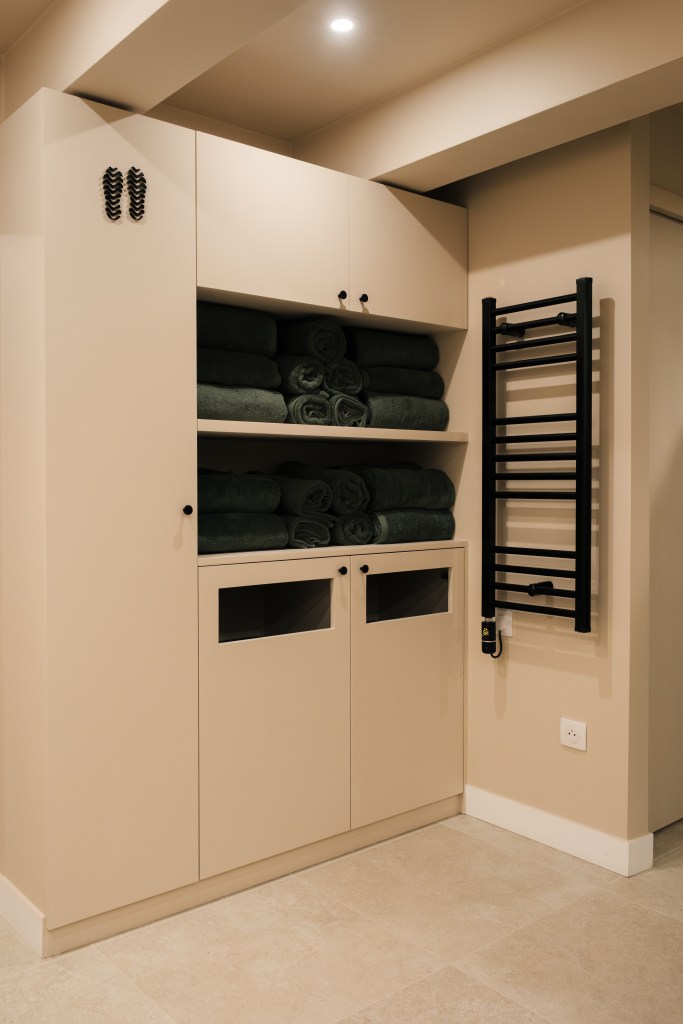
At Osmo, you created a “natural dialogue” with the Parisian streets through those expansive windows. Why is connectivity to the outside world important for well-being?
For me, well-being also comes through the connection to the city and to natural light. With Osmo Paris, there was a Robert Mallet-Stevens building directly opposite, and I fell completely in love with it. I therefore decided to orient the project and its main views towards that building. The relationship to the city is extremely important to me: a space should not be closed in on itself, it should create a connection with its environment and almost naturally invite people inside.
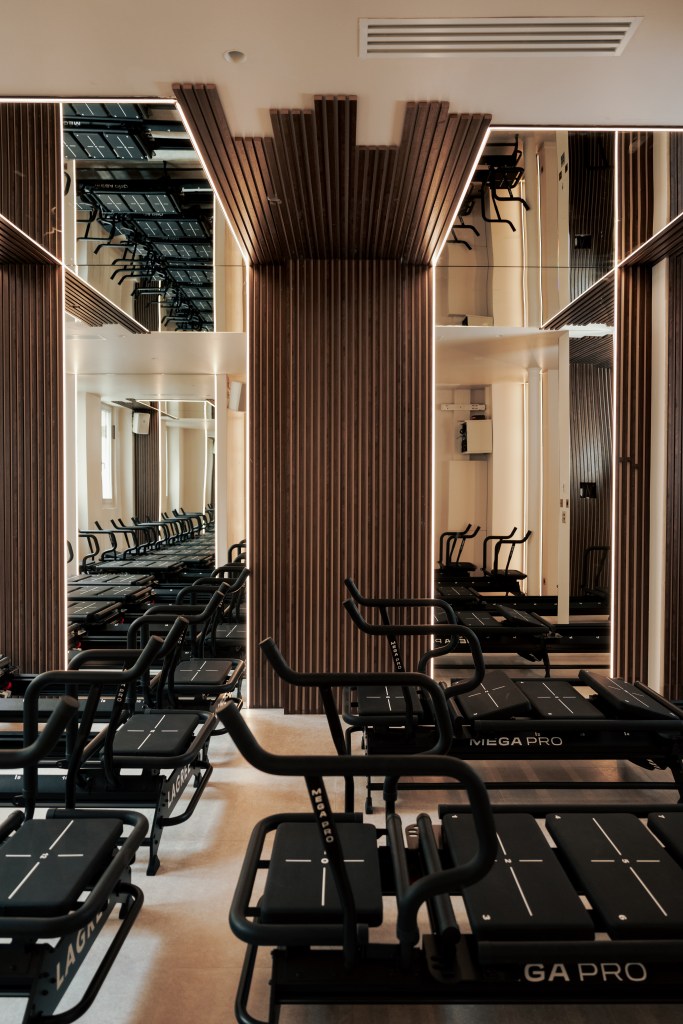
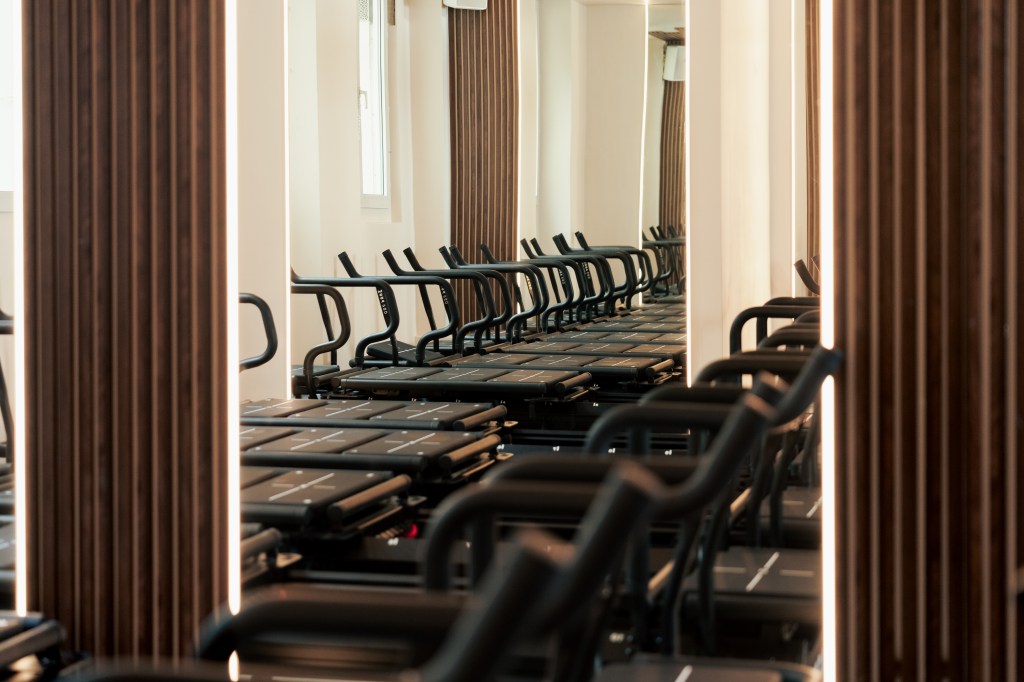
We love the sculptural wooden slats at Silo. Beyond the aesthetic, how do these textures help ground a visitor’s energy the moment they walk in?
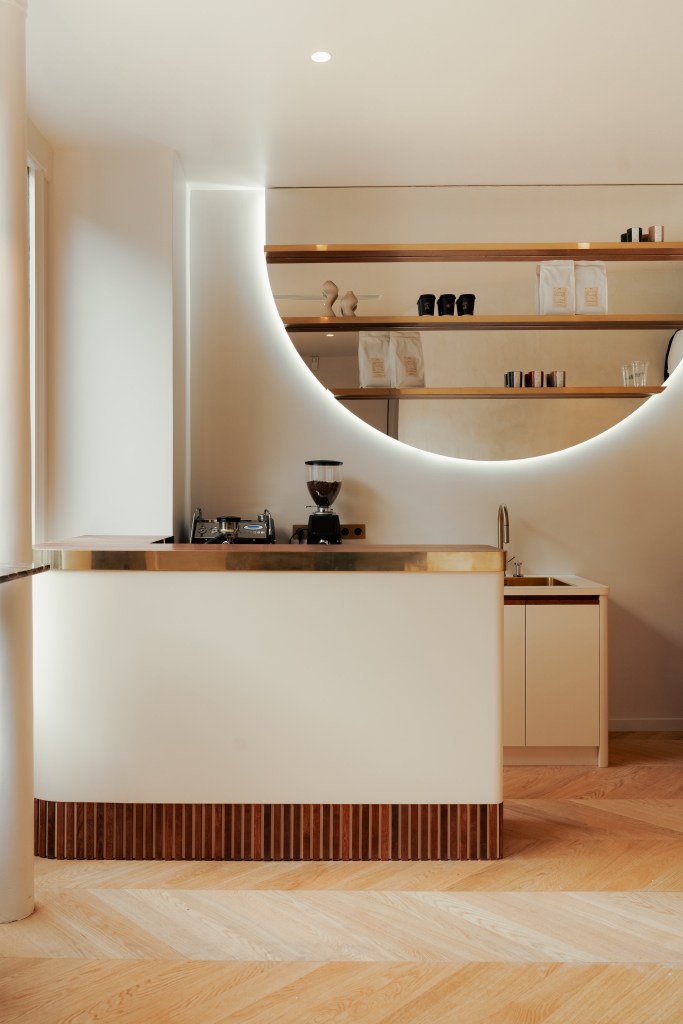
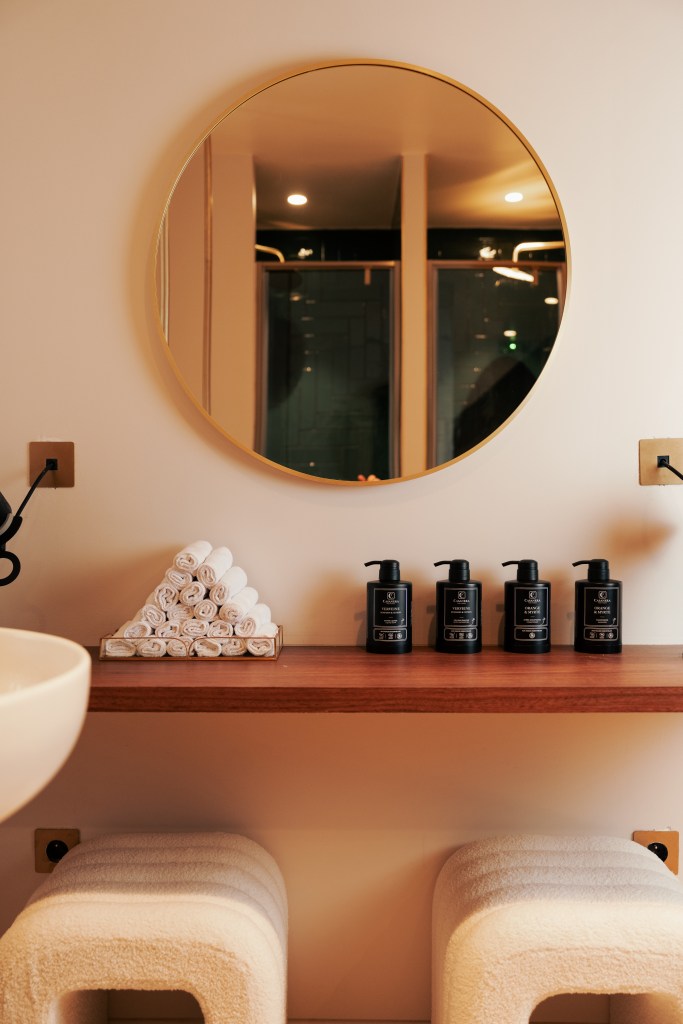
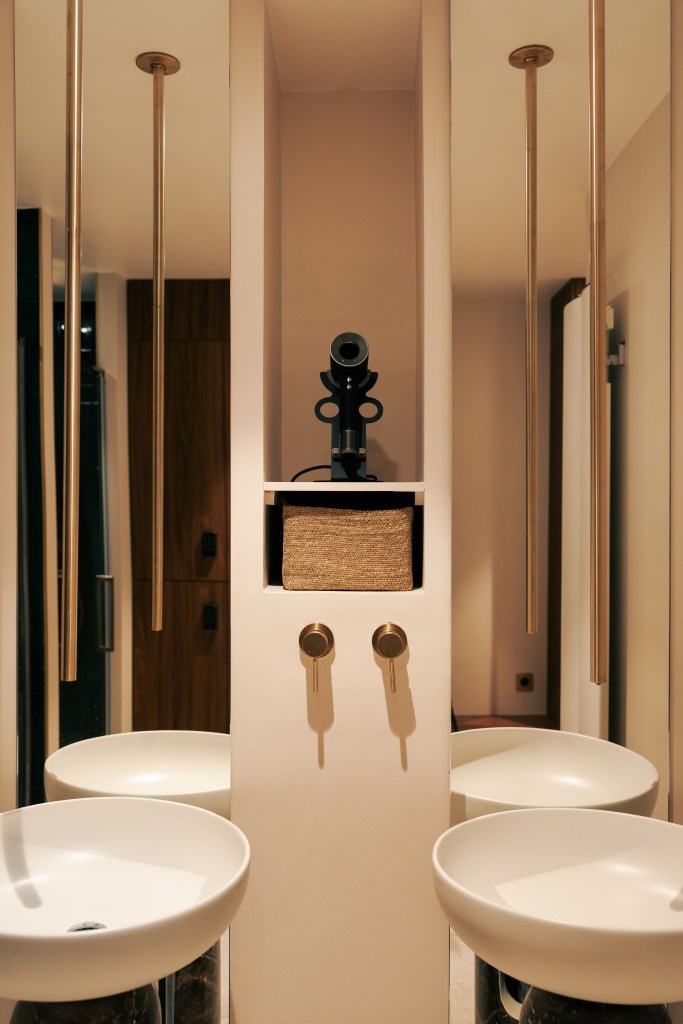
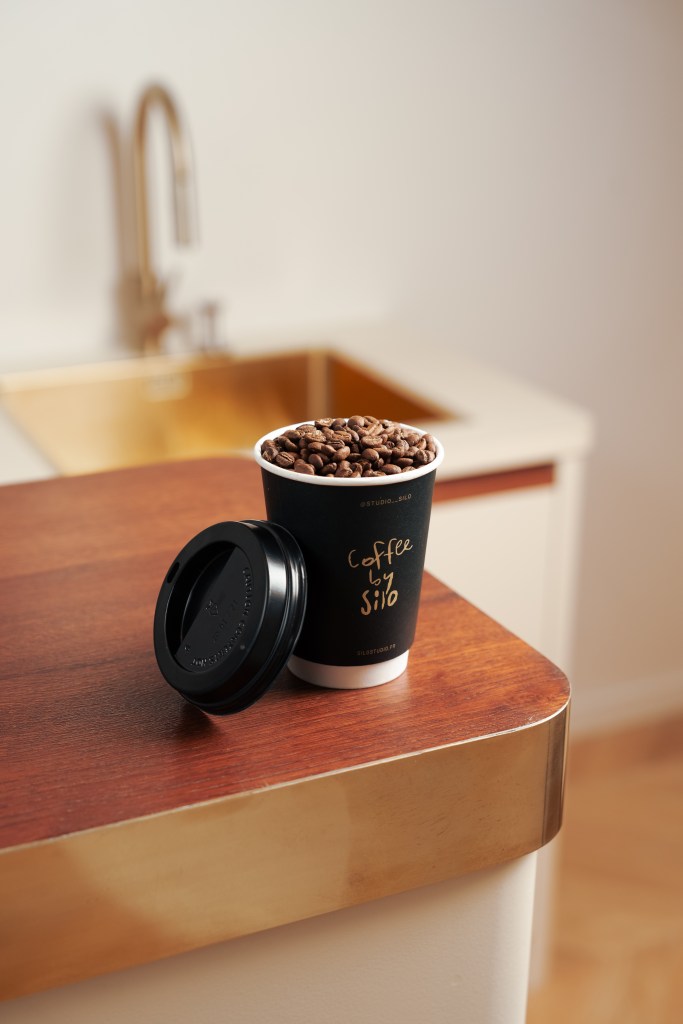
With Silo Paris, the initial conversations with the clients were very natural and very fruitful. From the very beginning, we conceived the room almost like a luxury boutique, with real attention paid to the experience and image of the space. For the wooden slats, we imagined a blend of wood and mirrors to create something very immersive and almost sensational. It brings rhythm, depth and a true identity to the space. It is also a device that works very well for the users, because it creates strong perspectives and spots where people naturally want to take photographs and share the space.
Where do you draw inspiration from? What inspires you most creatively?
I draw a great deal of my inspiration from cinema, especially Hollywood cinema of the eighties. I have always been fascinated by the atmospheres, the lighting and the sets found in those films. For instance, the glass paving stones seen in the Miami villas of the eighties are elements I now try to reinterpret in my projects. I love the idea of taking iconic details and integrating them into a contemporary architecture. I am also enormously drawn to the aesthetic of Miami Vice and the very beautiful modern houses one could see in Colombia. All of this feeds a very cinematic and emotional approach to architecture.
We understand you are behind the renovation of the Hotel Verneuil la Douce and its spa. How did you weave a wellness narrative into such a historic, character-filled setting?
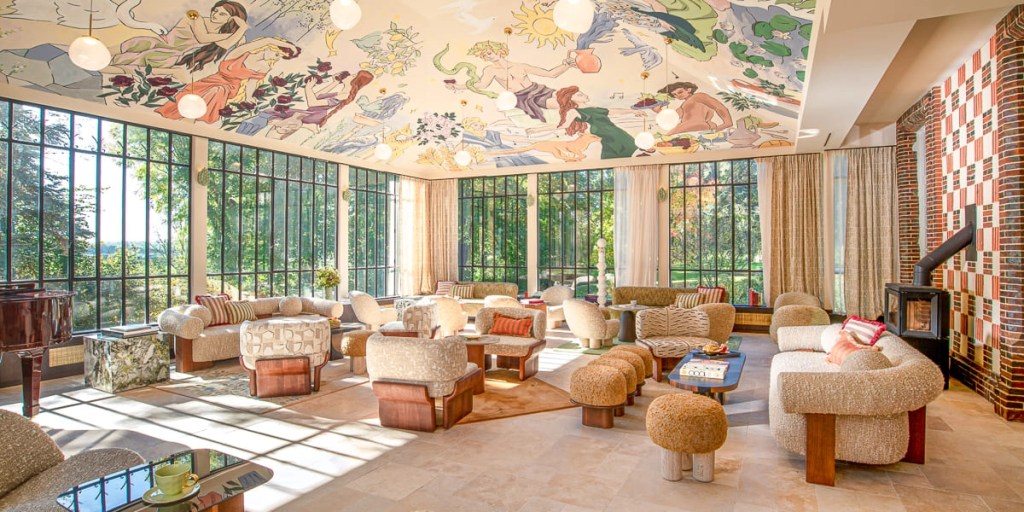
With Verneuil la Douce, our role was primarily one of concept design, spatial redistribution and remodelling of the hotel. We worked in collaboration with Camille Omerin, who carried the entire artistic vision and the world of the place. Our role was to support her technically and spatially, developing the plans and layouts needed to allow her vision to take shape in a coherent and fluid way.
Your approach emphasises “spatial flow”. How do you choreograph a guest’s journey through a hotel or studio so that relaxation begins at the very first step?
For me, spatial flow is essential because a space must be understood and felt naturally from the very first seconds. When I begin working on a project, I always think of a story I would like to tell and bring to life through the space. I try to build the journey like a true piece of scenography, with sequences, perspectives and transitions that progressively create an emotion. I also like to imagine that the user travels a little through my spaces, a temporal, sensory or well-being journey, and that they can disconnect from their everyday life for a moment. For instance, for Pilates Society in Casablanca, I conceived the room as though one were inside a 1950s yacht, with a very cinematic and immersive atmosphere.
Paris is currently redefining wellness. What does the Parisian touch bring to the industry that we cannot find elsewhere?
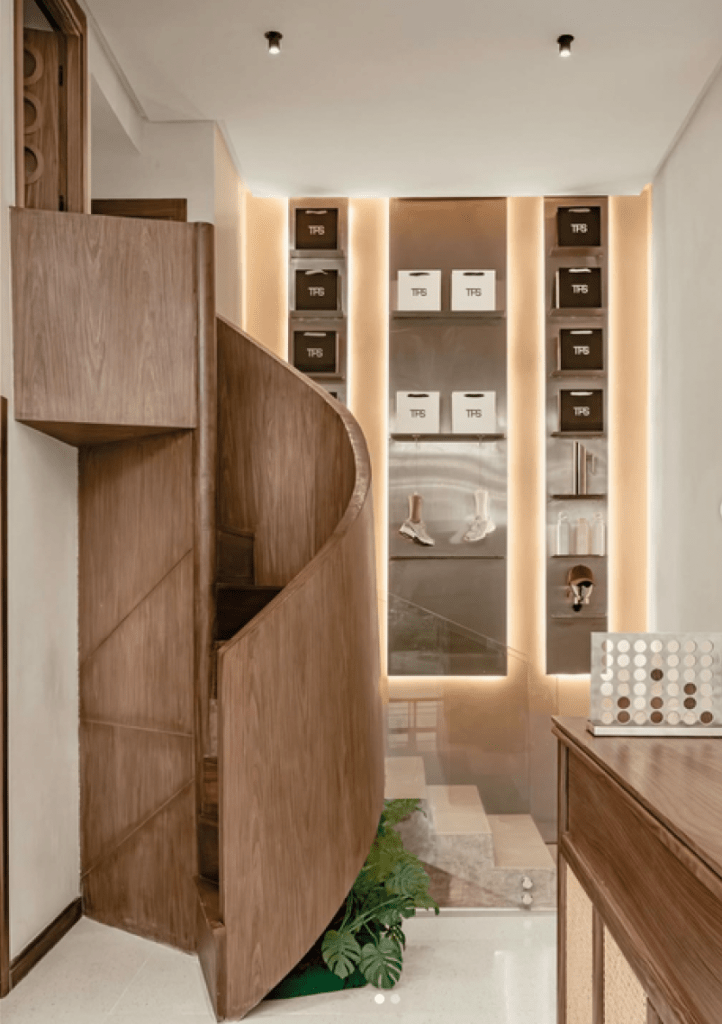
I think the Parisian touch comes from the fact that Paris is a city that constantly reinvents itself. I have travelled a great deal, but I find that there is in Paris a rather unique concentration of talent, whether in the artistic, creative, commercial or even entrepreneurial spheres. This energy means there are always new ideas, new spaces and new experiences emerging. Even in wellness, Paris brings a very cultural and aesthetic approach to space, with real attention paid to details, materials and atmosphere. It is this capacity to always reinvent itself while maintaining its elegance that makes the Parisian scene so particular today, in my view.
What are three wellness spaces you recommend in Paris, aside from your own masterpieces?
Three wellness spaces in Paris that I particularly love are: the gym at the Bulgari Hotel Paris, which I find exceptional in its atmosphere, its materials and its very cinematic and luxurious feel; La Montgolfiere, which I find very interesting because it perfectly blends sport, well-being and the Parisian art de vivre, with a very warm and intimate atmosphere, almost like a grand Parisian apartment reimagined around wellness, with real work on materials, light and circulation; and Dynamo Cycling on Rue de Sevres, very simple and very controlled as a project, proof that one can do something simple and beautiful.
If you had a blank cheque and a blank cliffside anywhere in the world, what kind of sanctuary would you build?
I dream of building a sanctuary in California, in Palm Springs, with an architecture very much inspired by the nineteen-sixties. I imagine a place with very high ceilings, large openings onto the desert landscape and a very cinematic atmosphere. Something between an iconic modernist villa and a timeless wellness retreat, with raw materials, very strong plays of light and that effortlessly elegant quality particular to California of that era.
Is there a dream project or a new city on your horizon?
Yes, I still have many dream projects. I would very much love to design a beautiful penthouse in Hong Kong, with very elegant architecture and a spectacular view over the city. I would also love to create a Californian villa in Los Angeles, with a view over Mulholland Drive, in a very modernist and cinematic spirit. And a beautiful hotel in Greece facing the sea would also be a project I would absolutely love to realise one day.
Thank you for sharing with us, Soufiane. We can’t wait to see your dream projects come true!
Connect with Soufiane